Navigating the Slow Travel Movement
In a world that often prioritizes speed and efficiency, the slow travel movement offers a refreshing alternative. This guide aims to provide insights into the principles of slow travel and how to effectively embrace this lifestyle while exploring Europe and beyond.
Understanding Slow Travel
Slow travel is a philosophy that emphasizes quality over quantity in travel experiences. According to experts in the field, this movement encourages travelers to immerse themselves in local cultures and environments rather than rushing through a checklist of sights. Research shows that such immersive experiences often lead to greater satisfaction and more meaningful connections with places.
"Slow travel allows individuals to deepen their relationship with the destinations they visit, fostering a sense of connection that quick trips often lack."
The Core Principles of Slow Travel
Here are some fundamental principles that define the slow travel movement:
- Immersion: Spend time in one location to appreciate its culture, history, and people. This approach often requires travelers to stay longer in fewer places.
- Sustainability: Many slow travelers prioritize eco-friendly practices, supporting local businesses and respecting the environment.
- Mindfulness: This travel style encourages travelers to be present, allowing them to savor each moment instead of being consumed by itineraries.
Practical Tips for Embracing Slow Travel
Incorporating slow travel into your adventures often requires a shift in mindset. Here are some actionable tips to help you begin:
- Plan Longer Stays: Instead of hopping from city to city, opt for longer visits to fewer locations. This approach allows for a deeper understanding of your surroundings. Aim for at least a week in each destination.
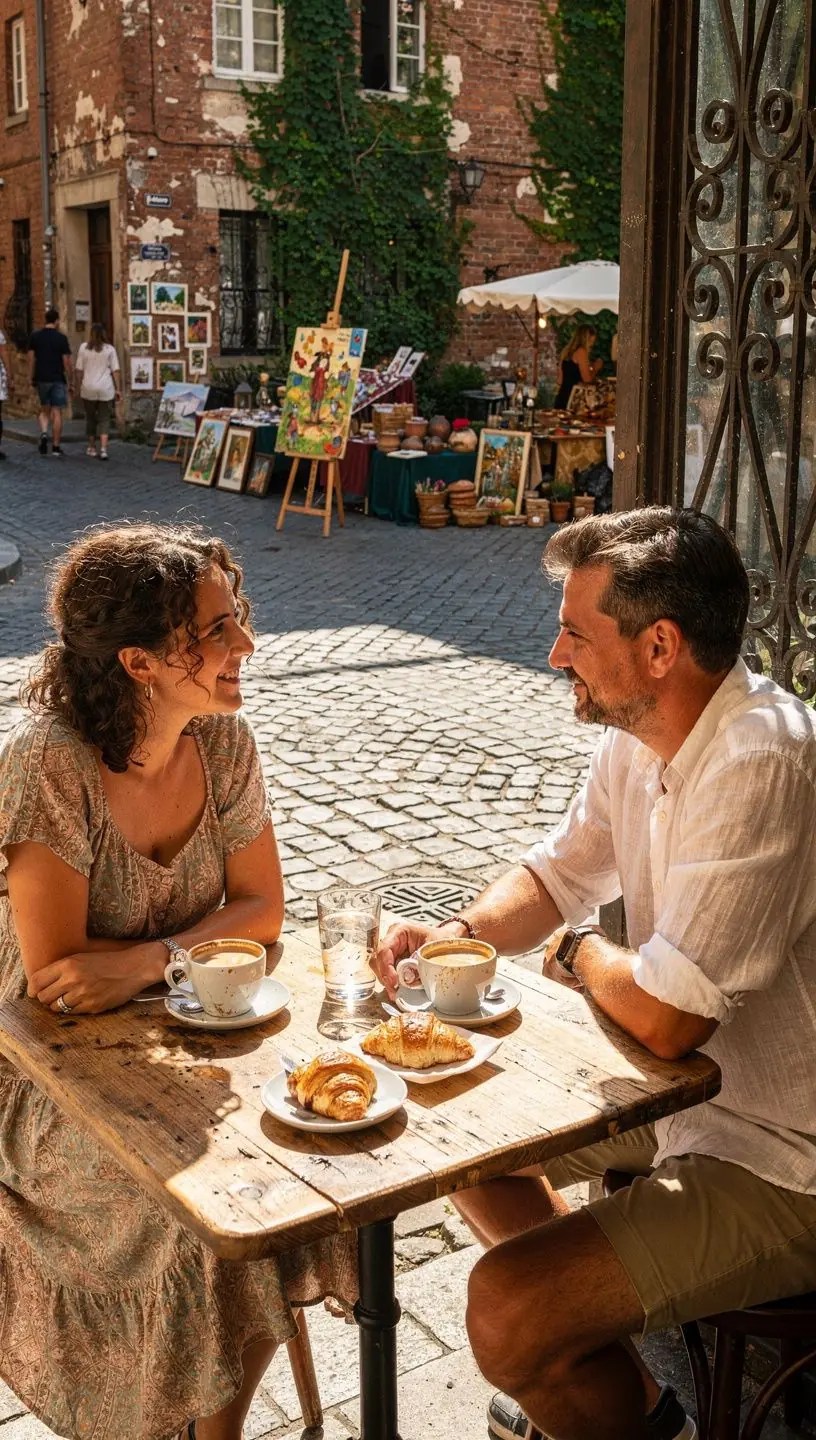
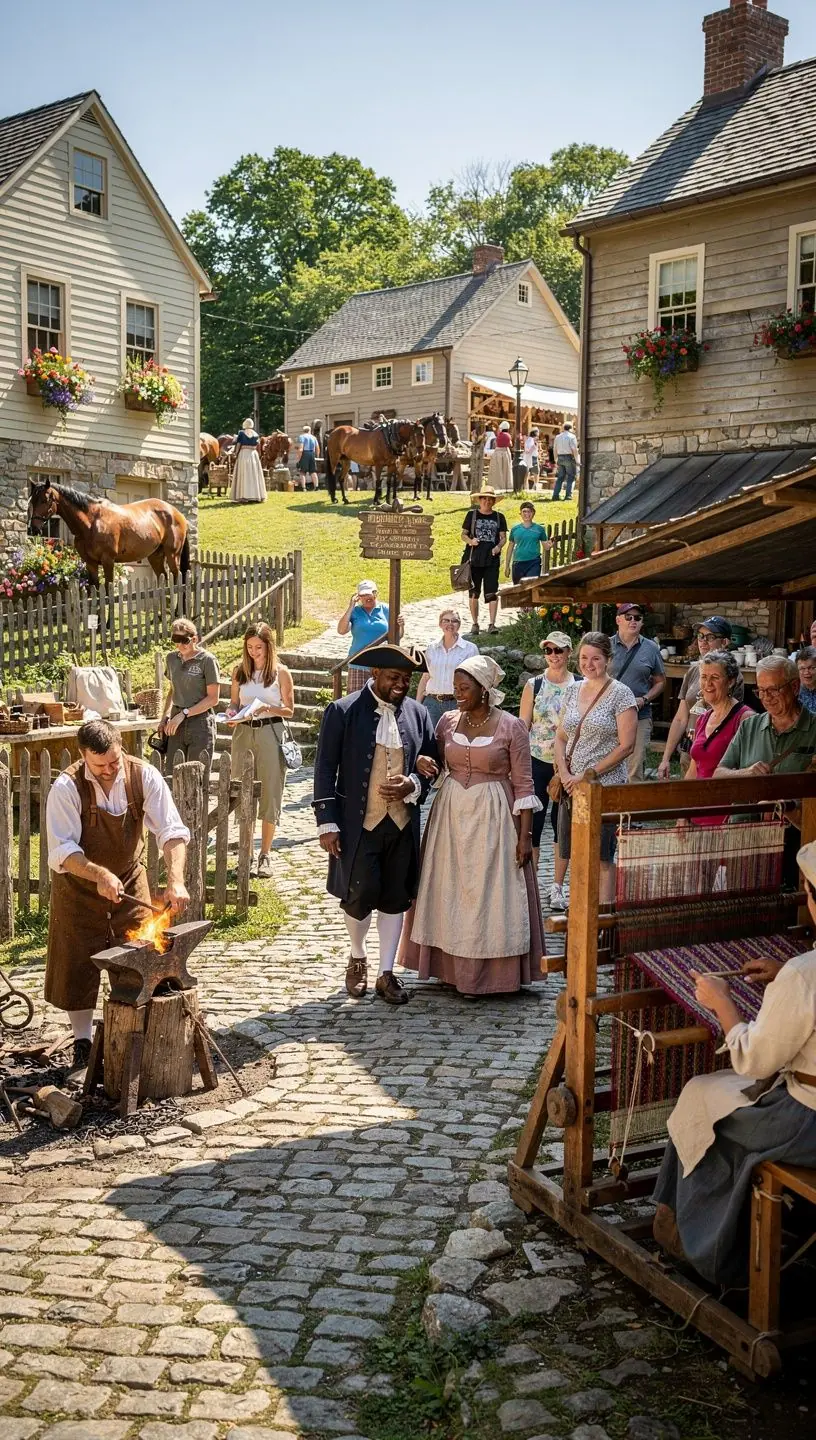
- Engage with Locals: Take part in local events, workshops, or cooking classes. According to studies, interacting with locals can enhance your travel experience, providing insights into cultural nuances.
- Slow Down Your Itinerary: Resist the urge to see everything. Allow for spontaneous adventures and downtime. This may involve less planning but can lead to unexpected and memorable experiences.
Acknowledging Limitations
While slow travel can be deeply rewarding, it also comes with challenges. Typically, it requires more time and flexibility. Travelers may find that this approach is not suitable for those with strict schedules or those who prefer a more fast-paced travel experience. It can also involve a learning curve as you adapt to a slower pace.
Conclusion
Navigating the slow travel movement offers a unique opportunity to connect with the world in a more meaningful way. By embracing the principles of immersion, sustainability, and mindfulness, travelers can foster enriching experiences that resonate long after the journey ends. With realistic expectations and a willingness to engage deeply, slow travel can transform the way you explore the globe.