Exploring Local Cuisine in European Cities
As you wander through the cobblestone streets of Europe, the local cuisine often tells the most vibrant stories about the culture and traditions of a city. Engaging with regional dishes not only enhances your travel experience but also provides a deeper connection to the place you’re visiting. This article explores the significance of local cuisine across various European cities, offering insights and practical tips for travelers.
The Importance of Local Cuisine
Local cuisine plays a crucial role in understanding the cultural heritage of a city. According to a study by the European Commission, food is a significant aspect of travel motivation, with 55% of tourists expressing interest in tasting traditional dishes when visiting new places. This interest is typically driven by a desire to experience authenticity, as many users report that sampling local food enhances their overall travel experience.

"Food is a universal language that connects us to the culture and people of a place." — Culinary Expert
How to Discover Local Flavors
Exploring local cuisine can be achieved in several ways. Here are some practical tips for your culinary journey:
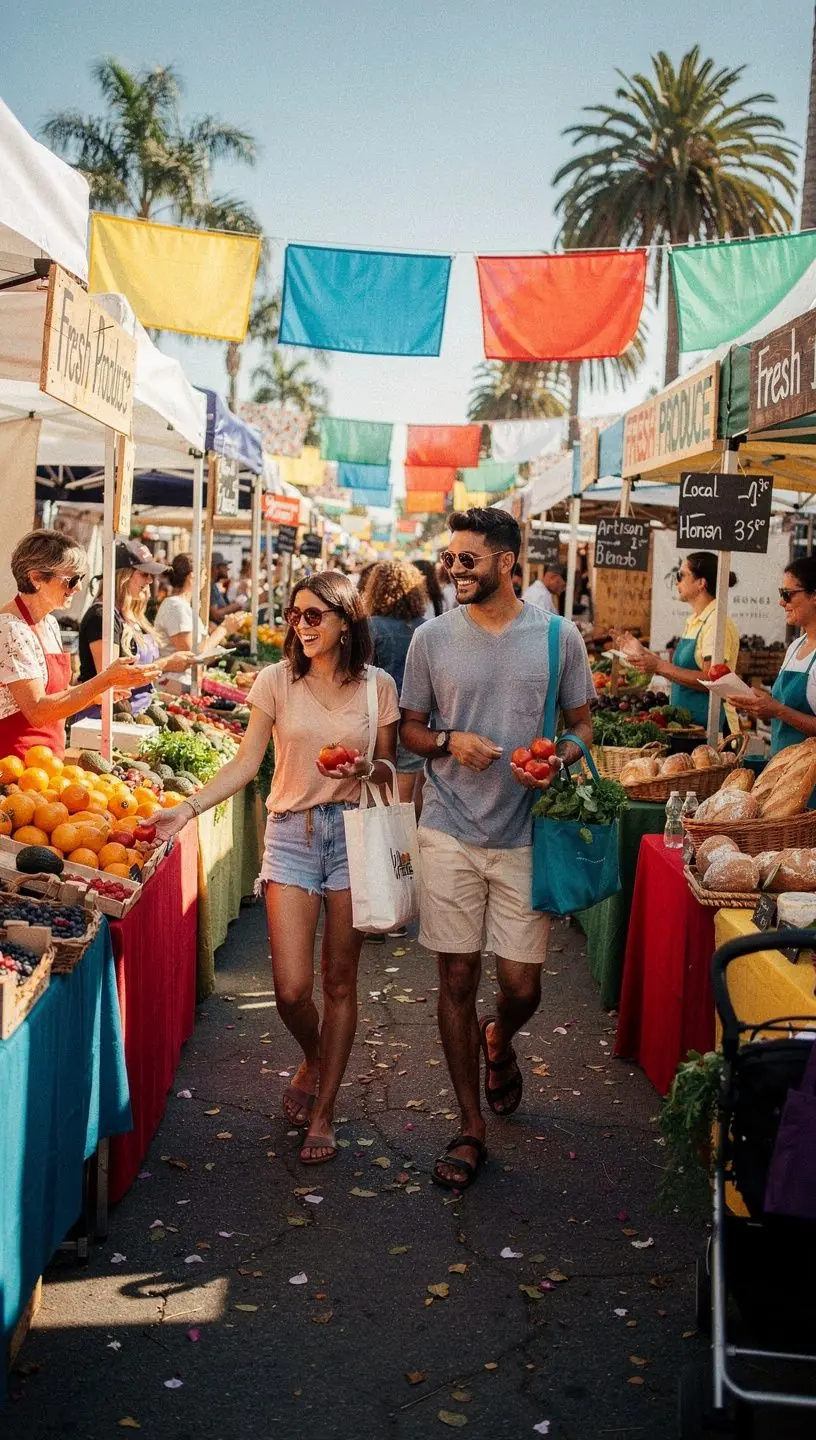
- Visit Local Markets: Markets are often the heart of culinary culture in cities. Places like the Mercato di San Lorenzo in Florence or La Boqueria in Barcelona offer a plethora of fresh produce and local specialties. Engaging with vendors can provide you with firsthand knowledge of regional ingredients and traditional cooking methods.
- Take a Cooking Class: Participating in a cooking class can be an effective way to learn about local dishes hands-on. Many classes around Europe focus on traditional recipes, providing insights into the history and local sourcing of ingredients. Experts recommend this approach as it allows for a deeper understanding of the culinary techniques unique to the region.
- Try Street Food: Street food often reflects the true essence of a city’s cuisine. Dishes like Belgian waffles or Italian arancini can typically be found in bustling urban areas, providing both convenience and authenticity. However, it’s important to be mindful of health and safety standards when choosing where to eat.
Acknowledging Culinary Limitations
While exploring local cuisine is rewarding, it’s important to set realistic expectations. Depending on the city, access to certain dishes may vary based on seasonal availability or local customs. Additionally, some traditional meals may require prior knowledge of culinary techniques that take time and practice to master.
Conclusion
Exploring local cuisine in European cities provides a rich tapestry of flavors and stories that enhance your travel experience. By engaging with local markets, participating in cooking classes, and trying street food, you can immerse yourself in the culinary culture of the places you visit. Remember to approach each experience with an open mind and a willingness to learn, as this journey through local cuisine can lead to memorable interactions with both food and people.
Learn More